
Tokenization Infrastructure Gains Support From PwC
Tokenization Infrastructure could transform investment management through instant settlement, compliance automation, and global market access.
- PwC identified tokenization as a potential foundation for next-generation investment management infrastructure worldwide.
- Instant settlement and embedded compliance remain central advantages of tokenized financial markets.
- Blockchain networks supporting interoperability and asset issuance continue attracting institutional attention.
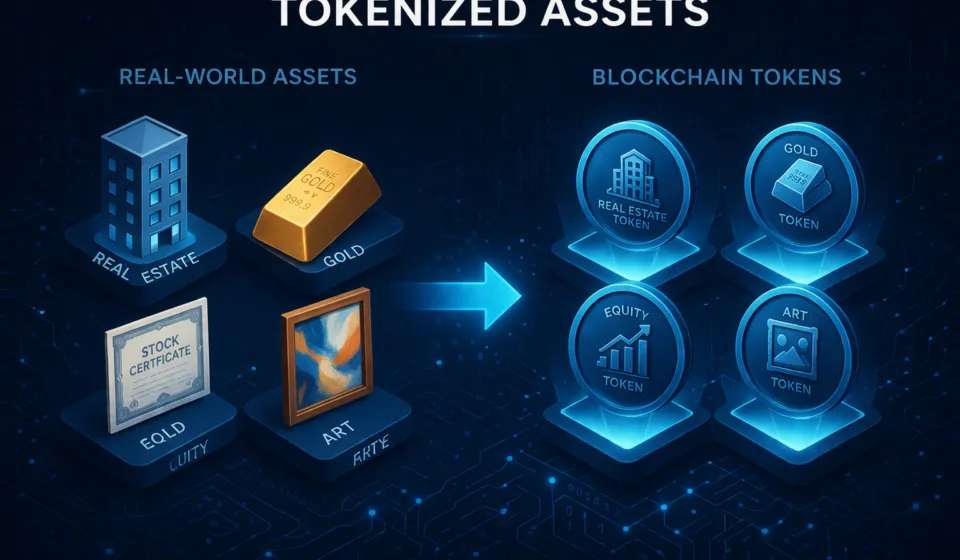
Tokenization Infrastructure is gaining increased attention after a recent PwC report identified blockchain-based assets as a potential foundation for the future of investment management.
Institutional Finance Expands Its Focus on Tokenization
A recent PwC report examined the evolution of investment management. The findings emphasized the growing role of tokenized assets.
The report described tokenization as more than a technological upgrade. Instead, it framed tokenization as structural financial modernization.
According to commentary shared by ALLINCRYPTO, institutional markets are increasingly evaluating blockchain infrastructure. The discussion referenced several established blockchain ecosystems.
The report stated that tokenized assets could reshape capital markets. Public and private investment structures may both evolve.
Instant Settlement and Compliance Drive Adoption
PwC identified instant settlement as a primary advantage of tokenization. Traditional settlement systems often involve multiple intermediaries.
Conventional financial transactions can require extensive processing periods. Tokenized assets may reduce operational complexity through automation.
The report also examined embedded compliance frameworks. Blockchain infrastructure can incorporate regulatory requirements directly into asset architecture.
According to the shared analysis, automated compliance mechanisms may improve efficiency. Such systems could reduce reliance on external processes.
Global Access and Interoperability Remain Critical
The report also addressed fractional ownership and broader market access. Tokenization may expand participation across international investment markets.
ALLINCRYPTO referenced several blockchain networks positioned within this trend. These included XLM, HBAR, XRP, and LINK.
Each network has pursued different institutional use cases. Areas include payments, interoperability, settlement, and enterprise infrastructure.
Chainlink’s inclusion reflects growing demand for blockchain connectivity services. Tokenized markets require reliable external data systems.
Asset verification and reserve attestations remain important operational requirements. Oracle infrastructure therefore continues attracting institutional attention.
The broader financial industry has accelerated tokenization initiatives recently. Asset managers and financial institutions have expanded experimentation efforts.
Regulatory and technical challenges remain under active development. However, institutional interest in tokenized infrastructure continues to increase.