

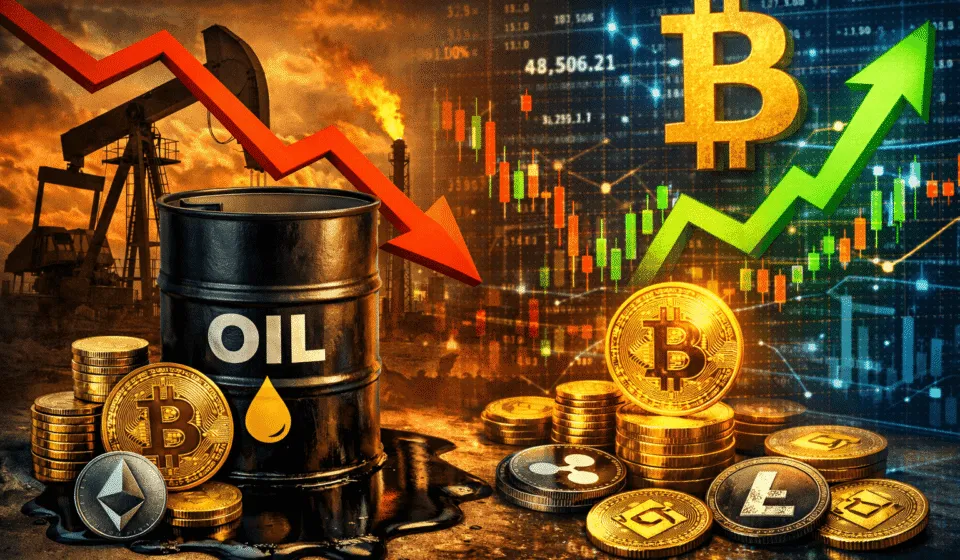
Brent Oil Jumps as Hormuz Risks Intensify
Brent Oil rallies as renewed Strait of Hormuz tensions raise supply concerns and increase volatility across global financial markets.
- Brent Oil surged nearly 20% within two days as Hormuz tensions revived global supply concerns.
- Rising geopolitical risks pushed WTI above $75 while traders priced potential shipping disruptions.
- Energy market volatility is influencing inflation expectations and broader investor positioning across global assets.
Brent Oil extended a sharp rally as renewed Strait of Hormuz tensions heightened supply concerns, prompting traders to reassess geopolitical risks and monitor broader effects across global financial markets.
Hormuz Tensions Drive Oil Market Rally
The Coin Bureau reported that Brent crude approached the $80 mark after a rapid advance. The post also noted WTI crude climbed above $75 within one day. Traders responded quickly as geopolitical risks intensified across the Gulf region.
The renewed focus centered on the Strait of Hormuz. The strategic waterway handles a substantial share of global crude shipments. Any threat to maritime traffic immediately attracts worldwide market attention.
Coin Bureau also referenced comments from President Donald Trump regarding potential future U.S. actions. The report stated those actions could contribute to higher oil prices. Meanwhile, Iran warned it could close Hormuz if military strikes occurred.
Although shipping has not been interrupted, market sentiment changed rapidly. Energy traders often price geopolitical uncertainty before supply disruptions emerge. Consequently, risk premiums expanded across crude oil futures markets.
Markets React to Rising Geopolitical Risks
The Strait of Hormuz remains the world’s most important oil transit corridor. Approximately one-fifth of global oil consumption passes through the narrow passage. Therefore, any security concern receives immediate attention from commodity traders.
Higher crude prices frequently influence inflation expectations across major economies. Transportation, manufacturing, and logistics costs often increase alongside energy prices. Central banks closely monitor these developments when assessing monetary policy conditions.
The latest rally reflected geopolitical pricing rather than changing production fundamentals. Brent’s nearly 20% advance occurred within only two trading sessions. Such rapid movements demonstrate heightened sensitivity to regional developments.
Shipping companies and insurers also monitor developments around Hormuz closely. Elevated risks may increase transportation costs for global energy exports. Markets continue evaluating whether regional tensions will remain contained.
Crypto Investors Monitor Broader Macro Conditions
Coin Bureau noted that cryptocurrency markets often respond indirectly to geopolitical events. Investors frequently reduce exposure to risk-sensitive assets during uncertainty. Bitcoin and digital assets can therefore experience increased short-term volatility.
Broader financial markets also reassess portfolio allocations during periods of elevated energy prices. Higher inflation expectations may influence interest-rate projections and liquidity conditions. Those adjustments frequently affect cryptocurrencies alongside traditional financial assets.
Energy-exporting economies may benefit from sustained crude price strength. Conversely, energy-importing nations often face greater economic pressure from rising fuel costs. Currency markets can also reflect those shifting macroeconomic conditions.
The current oil rally remains closely tied to geopolitical developments surrounding Hormuz. Market participants continue monitoring official statements, regional security conditions, and commercial shipping activity. Until greater clarity emerges, Brent Oil is likely to remain highly sensitive to developments affecting the world’s most critical energy corridor.